
A cracked rear panel can change how a phone feels in your hand long before it stops working. Sharp edges, loose fragments and gaps near the camera area deserve a careful look. A structured repair back glass phone Bangi inspection checks the visible damage and the surrounding frame instead of treating every crack as the same problem.
Map the damage without pressing it
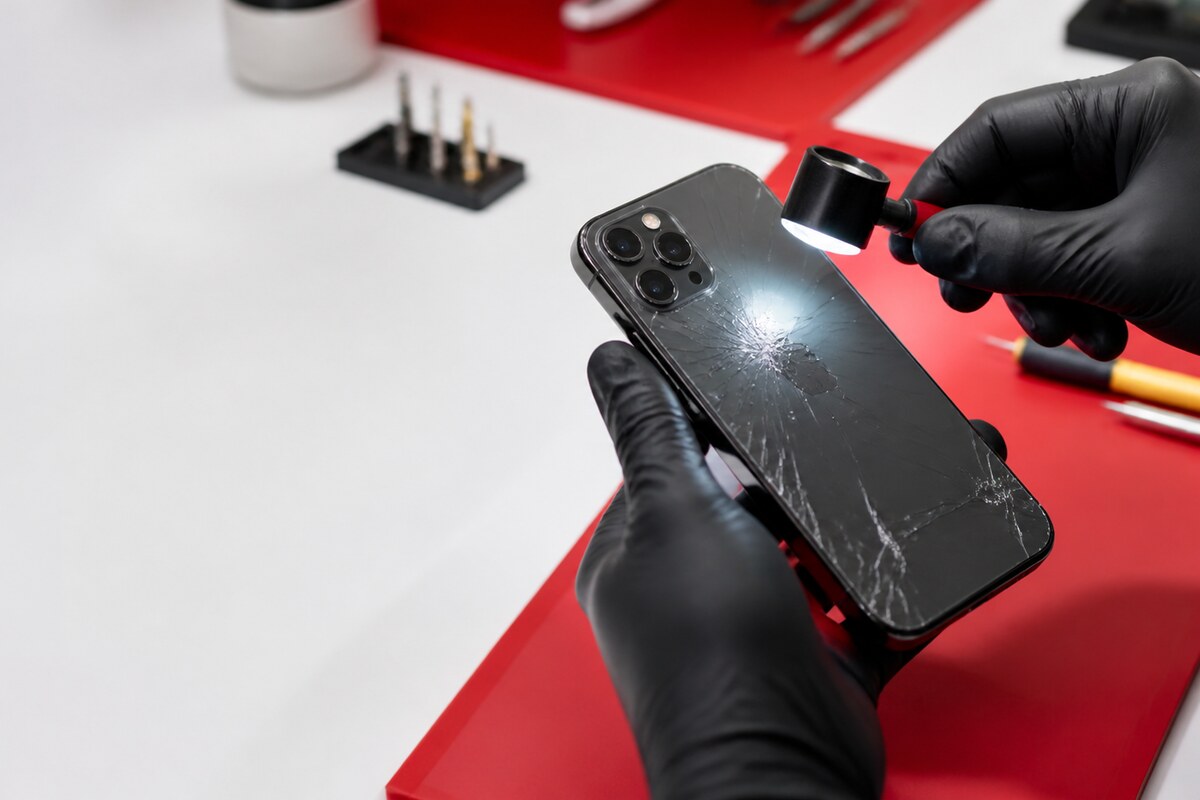
Place the phone on a stable surface and view the rear panel under bright light. Note the impact point, the direction of the cracks and whether the panel remains level with the frame. Avoid running a fingertip across loose glass or trying to lift an edge.
- Fine cracks spread from one corner or impact point.
- The rear surface feels rough through a thin case.
- A gap appears between the glass and side frame.
- Damage reaches the camera surround or flash opening.
WhatsApp MRFIX Bangi: 013 500 0531
Protect the phone before assessment
Keep the device dry, avoid bending it in a tight pocket and use a case that does not squeeze the damaged area. Do not apply household glue, resin or heat. If the phone was dropped, note any new camera, charging or wireless-connection behaviour, but avoid repeated stress tests.
Why camera gaps and frame alignment matter
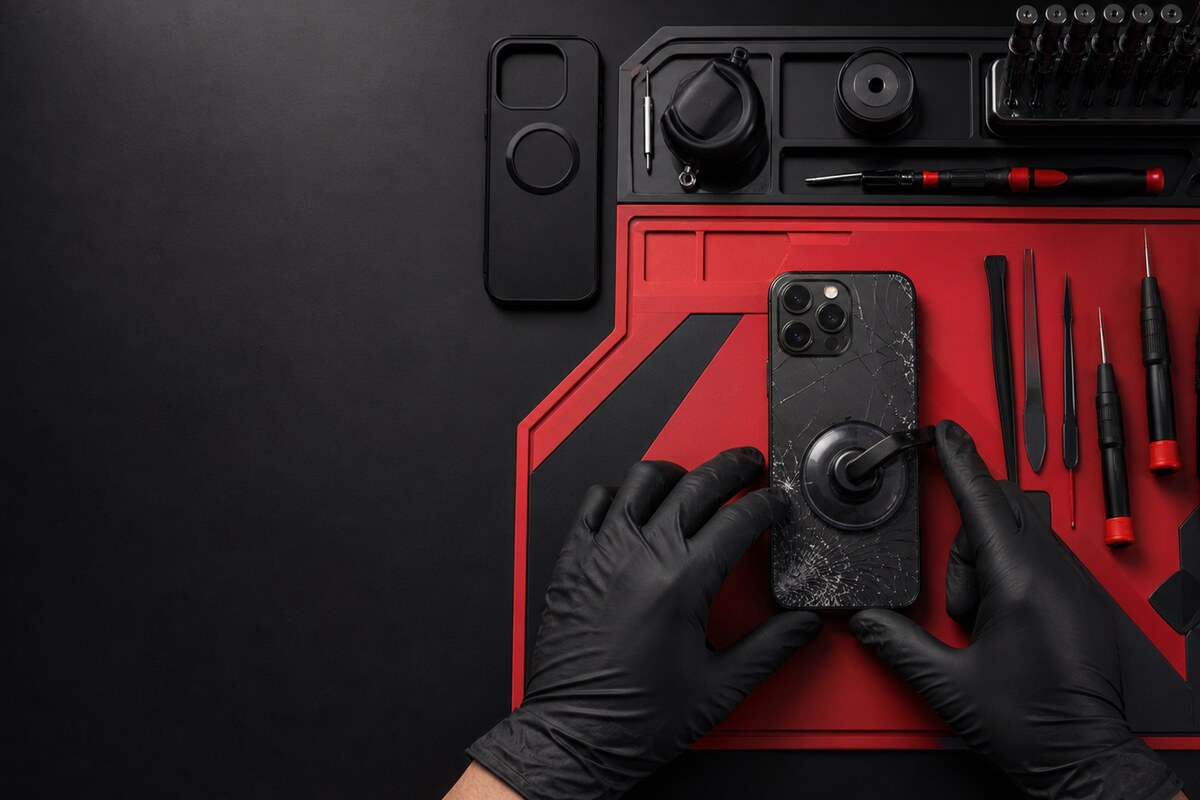
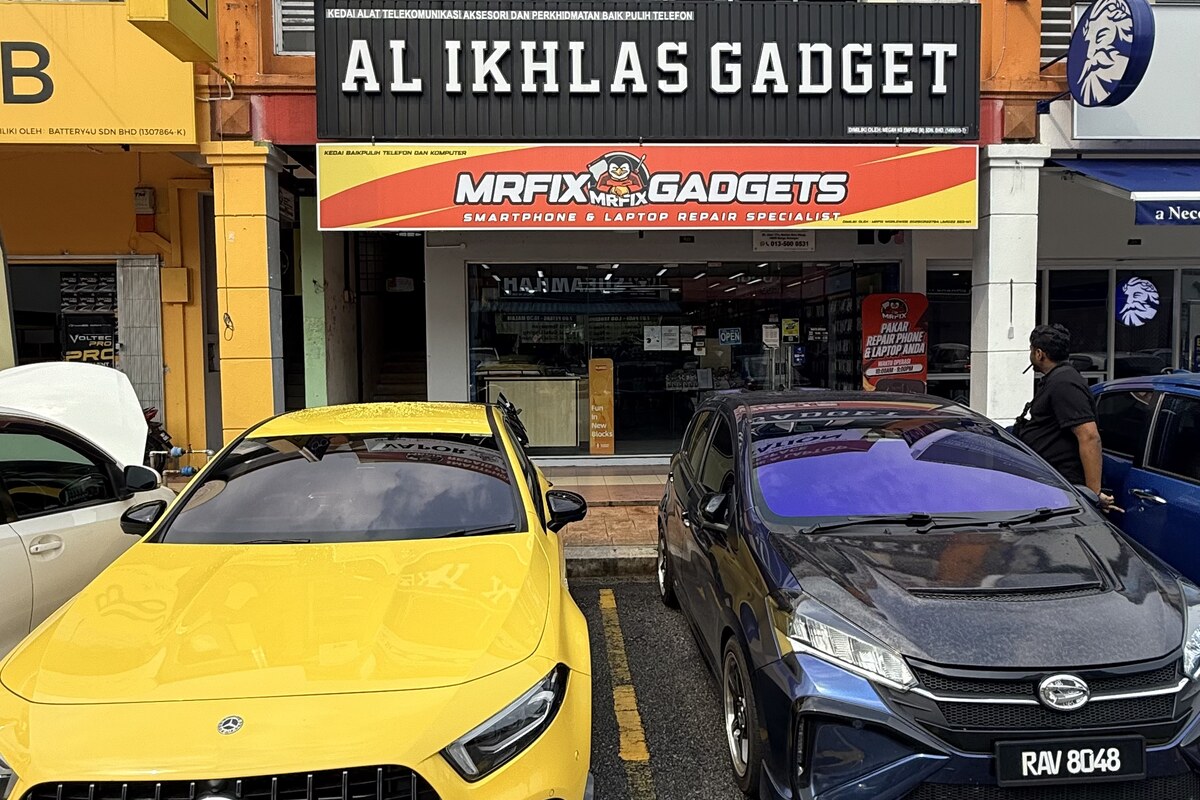
The back glass sits around camera openings and bonds to the surrounding structure. A visible crack may be isolated, or it may appear alongside a bent frame, chipped camera lens cover or weakened edge adhesion. MRFIX Bangi in Seksyen 7 can compare these physical clues before discussing the appropriate work.
Book a Check with the MRFIX Bangi Form
Share the impact history
Tell the technician when the crack appeared, whether the phone landed on a corner and whether it has been repaired before. Mention any camera focus, flash or panel-fit changes. Evidence keeps repair back glass phone Bangi focused on the affected area rather than relying on the appearance of the crack alone.